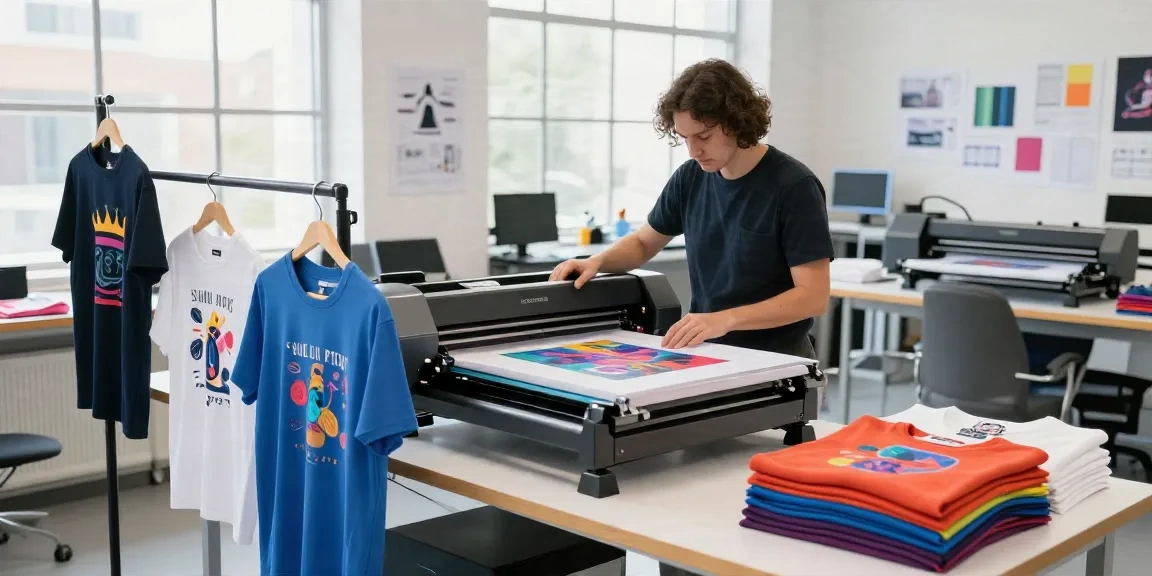
Understanding DTF Printers
Direct-to-Film (DTF) printing is revolutionizing the printing landscape, combining innovation and versatility to meet the demands of today’s market. A DTF printer utilizes a unique process where designs are printed onto a special film and then transferred onto various substrates, including textiles. This method offers an array of benefits, appealing to both novice and seasoned printers. When exploring options for a dtf printer, it's essential to understand its capabilities and the impact it can have on your printing endeavors.
What is a DTF Printer?
A DTF printer is a specialized printing machine that allows users to print designs directly onto a film, which is then heat-pressed onto fabrics. This technology is distinguished from traditional printing methods by its efficiency and adaptability. Unlike Direct-to-Garment (DTG) printing, DTF printers are not restricted to cotton fabrics; they work effectively on a variety of materials, including polyester and blends. This flexibility makes DTF printers an ideal choice for businesses seeking to offer a wider range of products without the limitations typical of other printing methods.
Key Features of DTF Technology
- High-Quality Prints: DTF printers deliver vibrant colors and intricate designs, ensuring that the final product meets high-quality standards.
- Material Versatility: Capable of printing on both dark and light fabrics, DTF technology stands out in its ability to cater to different market needs.
- Cost-Effectiveness: Reduced ink and material usage compared to DTG printing makes DTF a financially sensible option, especially for small businesses.
- Durability: Transfers produced by DTF printers are known for their longevity, offering excellent wash resistance without significant fading.
How DTF Differs from Other Printing Methods
When comparing DTF printing with methods such as DTG and heat transfer, several distinctions emerge. One of the key differences lies in the application process. DTF uses a film that is printed with special inks, which allows for a more versatile approach to printing on various substrates. In contrast, DTG printing directly applies ink onto the garment and is better suited for cotton fabrics. Furthermore, DTF printing typically offers faster production times and lower costs, especially for bulk orders, positioning it as a favorable option for many businesses.
Benefits of DTF Printing
The benefits of DTF printing extend beyond its operational capabilities, influencing both production processes and business outcomes. With its unique advantages, many companies are transitioning to this innovative technology to enhance their service offerings.
Cost Efficiency Compared to DTG Printing
Cost efficiency is a significant factor when evaluating printing methods. DTF printing reduces the cost per print as it requires less ink and materials compared to DTG printing, which relies on specialized inks and often requires more maintenance. The ability to use less ink while maintaining print quality means businesses can scale more effectively, leading to increased profitability.
Versatility Across Various Fabrics
DTF printers shine when it comes to versatility. They can print on an extensive array of fabrics, including cotton, polyester, and blends, making it feasible to cater to a broader customer base. This ability is vital for businesses looking to expand their product lines without investing in multiple printing technologies. The compatibility with various materials also supports creative designs that can appeal to different demographics, enhancing market reach.
Speed and Efficiency in Production
Another advantage of DTF printing is its speed and efficiency. The setup process for DTF printing is generally quicker than DTG, significantly reducing turnaround times for orders. This quality makes DTF printing perfect for businesses that need to fulfill large orders within tight deadlines. Moreover, DTF printers can operate continuously, allowing for sustained production without significant downtime.
How to Choose the Right DTF Printer
Selecting the right DTF printer is pivotal for achieving the desired quality and efficiency in production. Here are critical factors to consider.
Factors to Consider: Budget, Size, and Features
Your budget will heavily influence your choice. DTF printers range from affordable desktop models to advanced industrial machines with high output capabilities. Evaluate the size of the printer based on available workspace and required output. Moreover, consider essential features such as print speed, resolution, and ink types, as these will directly affect production quality and efficiency.
Beginner vs. Professional Models
For beginners, entry-level DTF printers are often user-friendly and provide high-quality prints suitable for small-scale operations. Professional models, on the other hand, offer more advanced features, increased speed, and durability to meet the demands of larger businesses. Assessing your operational needs and long-term goals will help in selecting the appropriate model.
Recommended Brands and Models in 2026
As of 2026, several brands have established themselves in the DTF printing market. Trustworthy brands such as Procolored, Epson, and Roland provide reliable printers that cater to various business needs. Each brand offers models that vary in features and pricing, making it crucial to research and compare options before making a purchase.
Using Your DTF Printer Effectively
Maximizing the potential of your DTF printer involves understanding how to operate it efficiently and maintain it for longevity.
Step-by-Step Guide to Creating DTF Transfers
Creating effective DTF transfers involves several steps, including designing your artwork, printing it onto the film, and applying a heat press to transfer the design to the garment. Start by ensuring your artwork is high resolution. Next, configure your printer settings to suit the film type. Lastly, use the appropriate heat press settings for optimal adhesion and durability.
Maintenance Tips for Longevity
Regular maintenance is essential for the longevity of your DTF printer. This includes routine cleaning of the print head and nozzles, calibration of the printer, and ensuring proper ink levels. Investing in quality inks and materials will also contribute to better performance and reduce wear and tear on the printer.
Common Troubleshooting Techniques
Common issues with DTF printers can include misalignment, poor print quality, and ink clogging. Familiarize yourself with troubleshooting techniques, such as performing nozzle checks, recalibrating the printer, and routinely cleaning the ink delivery system. These practices can prevent potential issues and enhance the overall efficiency of your printing processes.
Future Trends in DTF Printing
The DTF printing industry is poised for growth, influenced by technological advancements and increasing market demand for customization in textiles.
Technological Advances Expected by 2026
By 2026, we can expect notable technological advancements in DTF printers, including improved ink formulations that enhance print durability and ecological sustainability. Additionally, advancements in software will simplify the design process, making it easier for users to create intricate designs.
Market Expansion and Opportunities
As DTF technology continues to evolve, market expansion will also take place. The demand for customizable apparel and products is on the rise, creating opportunities for businesses to tap into new markets. This evolution will likely lead to increased collaboration within the industry, fostering innovation and diversity in product offerings.
Expert Insights on Industry Growth
Experts suggest that businesses embracing DTF technology strategically will gain a competitive edge in the market. By offering personalized products and maintaining high-quality standards, companies can build customer loyalty and drive growth. The integration of DTF printing in various sectors, from fashion to promotional merchandise, signifies a robust future for the industry.
What printer do you need for DTF?
Choosing the right DTF printer depends on your specific needs, whether for hobby projects or professional use. Ensure the printer supports the required volume of production and is compatible with the materials you plan to use.
Is DTF better than sublimation?
DTF printing and sublimation serve different purposes. While sublimation is ideal for polyester fabrics and offers vibrant color outputs, DTF printing is more versatile in material choices, allowing for a broader range of applications. The choice between the two typically comes down to specific project requirements.
Can you do DTF with a Cricut?
While traditional Cricut machines are not designed for DTF printing, users can create designs to be transferred using DTF methods if they have access to a DTF printer. This hybrid approach allows for enhanced creativity and design flexibility.
Is getting a DTF printer worth it?
Investing in a DTF printer can be worthwhile for businesses aiming to expand their product offerings and cater to a diverse clientele. With its cost efficiency, versatility, and speed, DTF printing presents itself as a beneficial investment.
Best practices for DTF printing?
To ensure the best outcomes with DTF printing, follow established best practices, including using high-quality films and inks, conducting regular maintenance, and staying updated on industry trends to adapt your strategies as needed.