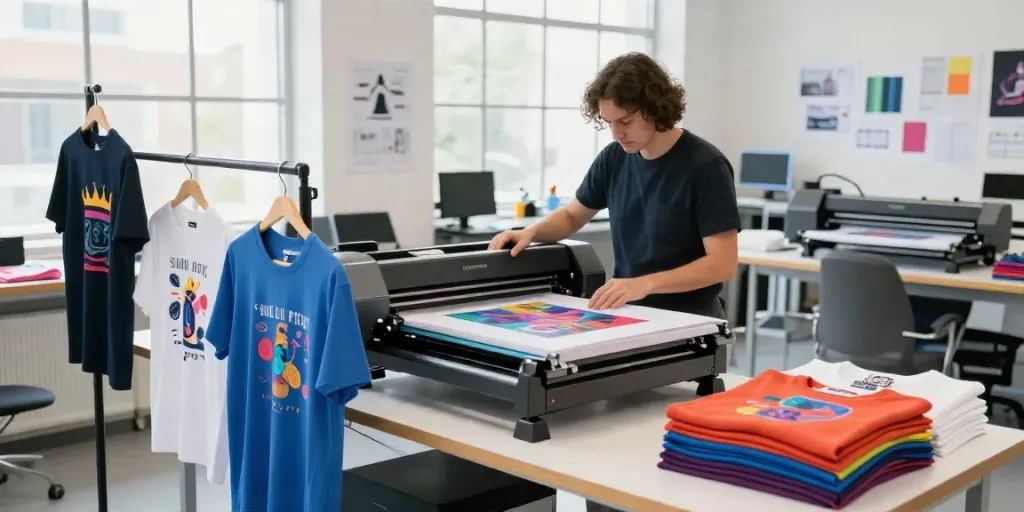
Understanding T-Shirt Printing Technologies
In the world of custom apparel, the choice of printing technology can significantly impact the quality and success of your products. Among the various methods available, sublimation printing, Direct to Garment (DTG), and Direct to Film (DTF) stand out with their unique capabilities and applications. If you're a small business owner looking to delve into the world of t-shirt printing, understanding these different technologies is essential. It will not only inform your purchasing decisions but will also allow you to meet customer demands effectively. When exploring options, impresora de camisetas offer comprehensive insights into the various printing solutions available in the market.
What is Sublimation Printing?
Sublimation printing is a popular technique for printing on polyester fabrics and coatings. This method utilizes heat to transfer dye onto the material, resulting in vibrant and long-lasting images. The dye becomes a gas when heated and penetrates the fabric, ensuring that the design becomes part of the material rather than simply sitting on top. This process makes sublimation ideal for sportswear and other apparel that requires durability and color accuracy.
Comparing DTF vs. DTG Printers
Understanding the differences between DTF and DTG printers is crucial for selecting the right technology for your business. DTG printing directly applies ink to the fabric, making it suitable for cotton and blends. It delivers excellent detail and resolution but is often slower than sublimation printing. Conversely, DTF printing uses a film transfer process that allows for printing on various fabric types, including cotton, polyester, and blends, offering more versatility but may require an additional curing step. Choosing between these technologies depends on your target market and production requirements.
Advantages of Using an Impresora de Camisetas
One of the primary advantages of using a specialized t-shirt printer is the ability to produce high-quality prints quickly and efficiently. By investing in an impresora de camisetas, businesses can control their production process, reduce lead times, and enhance the overall quality of their apparel. Additionally, these printers allow for customization, which can lead to increased customer satisfaction and loyalty.
Choosing the Right Equipment for Your Business
When selecting a printer for your custom t-shirt business, various factors should influence your decision-making process. The right equipment can streamline production, enhance print quality, and ultimately contribute to your bottom line.
Factors to Consider When Buying
- Print Quality: Look for printers that provide high-resolution prints with vibrant colors.
- Speed: Especially for bulk orders, the printer’s speed can significantly impact your turnaround time.
- Versatility: Ensure the printer can handle different fabrics and types of designs.
- Cost: Consider your budget and the long-term operational costs.
Top Brands and Models in 2026
As of 2026, several brands and models have emerged as frontrunners in the t-shirt printing market. Printers like the Epson SureColor series for DTG and the Sawgrass Virtuoso for sublimation are highly regarded for their performance and reliability. Investing in recognized brands can ensure better support and access to quality replacement parts.
Cost Analysis: Investment vs. Returns
Understanding the financial implications of your printer purchase is critical. While the initial investment might seem significant, quality printers often lead to better returns on investment due to reduced material waste and higher customer satisfaction rates. A detailed cost analysis comparing different models will help you select equipment that provides the best value for your business.
Maximizing Quality in Custom Designs
To stand out in the custom t-shirt market, the quality of your designs must be exceptional. Maximizing the quality of prints will not only satisfy your customers but also enhance your business's reputation.
Tips for Achieving Vibrant Colors
- Use high-quality images and graphics for better resolution.
- Ensure your printer settings are optimized for color accuracy.
- Test your designs on various fabric types to see how colors appear in reality.
Design Software Recommendations
Utilizing the right design software can make a significant difference in your printing outcomes. Programs like Adobe Illustrator and CorelDRAW are suitable for creating vector graphics which ensure the highest quality prints. Additionally, applications specifically designed for t-shirt design can simplify the process.
Print Settings for Optimal Results
Fine-tuning your printer settings according to the material and design specifications is crucial. Factors like print resolution, speed, and ink density should be adjusted to achieve the best quality prints. Regularly checking and calibrating your equipment will give consistent results.
Efficiency in Production Workflows
Efficiency in your production workflow can significantly impact your overall productivity. By optimizing your processes, you can meet customer demands while minimizing downtime and waste.
Streamlining Order Fulfillment
- Implement order management software to track and manage orders efficiently.
- Maintain a consistent inventory of popular items to reduce lead time.
- Organize your workspace to ensure all tools and materials are easily accessible.
Integrating Technology with Production
Incorporating technology, such as automation for printing or inventory tracking, can enhance productivity and accuracy. Utilize software that integrates seamlessly with your printing equipment to manage operational tasks more effectively.
Maintaining Equipment for Longevity
Proper maintenance of your t-shirt printer is essential for ensuring its longevity and performance. Regular cleaning, routine checks, and timely repairs can prevent unexpected breakdowns and maintain print quality.
Future Trends in Custom T-Shirt Printing
The landscape of custom t-shirt printing is rapidly evolving. Keeping abreast of emerging trends will allow your business to stay competitive and innovative.
Emerging Technologies in 2026
In 2026, advancements in printing technologies are expected to include more eco-friendly options, such as water-based inks and sustainable fabric choices. These innovations cater to the growing environmental awareness among consumers, providing opportunities for brands to appeal to this demographic.
Market Analysis for Custom Apparel
The demand for custom apparel continues to rise, driven by the growth of e-commerce and personalized clothing. Analyzing market trends can help you identify new opportunities and niches to explore within the t-shirt printing industry.
Adapting to Consumer Preferences
As consumer preferences shift towards personalized and unique products, businesses must adapt by offering a diverse range of options. Staying attuned to feedback and trends can help you tweak your product line to better meet customer expectations.
What type of printer is used for t-shirt printing?
Various printers can be used for t-shirt printing, including DTG, DTF, and sublimation printers. Each has its strengths depending on fabric types and design requirements.
How much does a t-shirt printing machine cost?
The cost of a t-shirt printing machine can range from a few hundred to several thousand dollars based on its capabilities, brand, and technology.
Can I print my own t-shirt designs?
Yes, many printers are designed for users to print their own designs easily, provided they have the necessary software and materials.
What equipment do I need for printing logos on clothing?
Basic equipment includes a printer (DTG or DTF), heat press for transfers, and design software to create and modify your logos.
What is the best printer for small businesses in 2026?
The best printer for small businesses will depend on their specific needs, but models from reputable brands that offer a balance of quality, speed, and versatility are highly recommended.